
If reCAPTCHA is not working on your WordPress website, this guide will walk you through the exact steps to identify and fix the problem.
Why reCAPTCHA Stops Working in WordPress
reCAPTCHA issues usually occur due to one or more of the following reasons:
- Incorrect Site Key or Secret Key
- Version mismatch (reCAPTCHA v2 vs v3)
- Domain not added in Google reCAPTCHA settings
- Plugin or theme conflicts
- JavaScript optimization or caching issues
- Firewall or hosting restrictions
Understanding the root cause makes fixing the issue much easier.
Step 1: Verify reCAPTCHA Site Key and Secret Key
The most common cause of reCAPTCHA errors is incorrect or mismatched keys.
What to do:
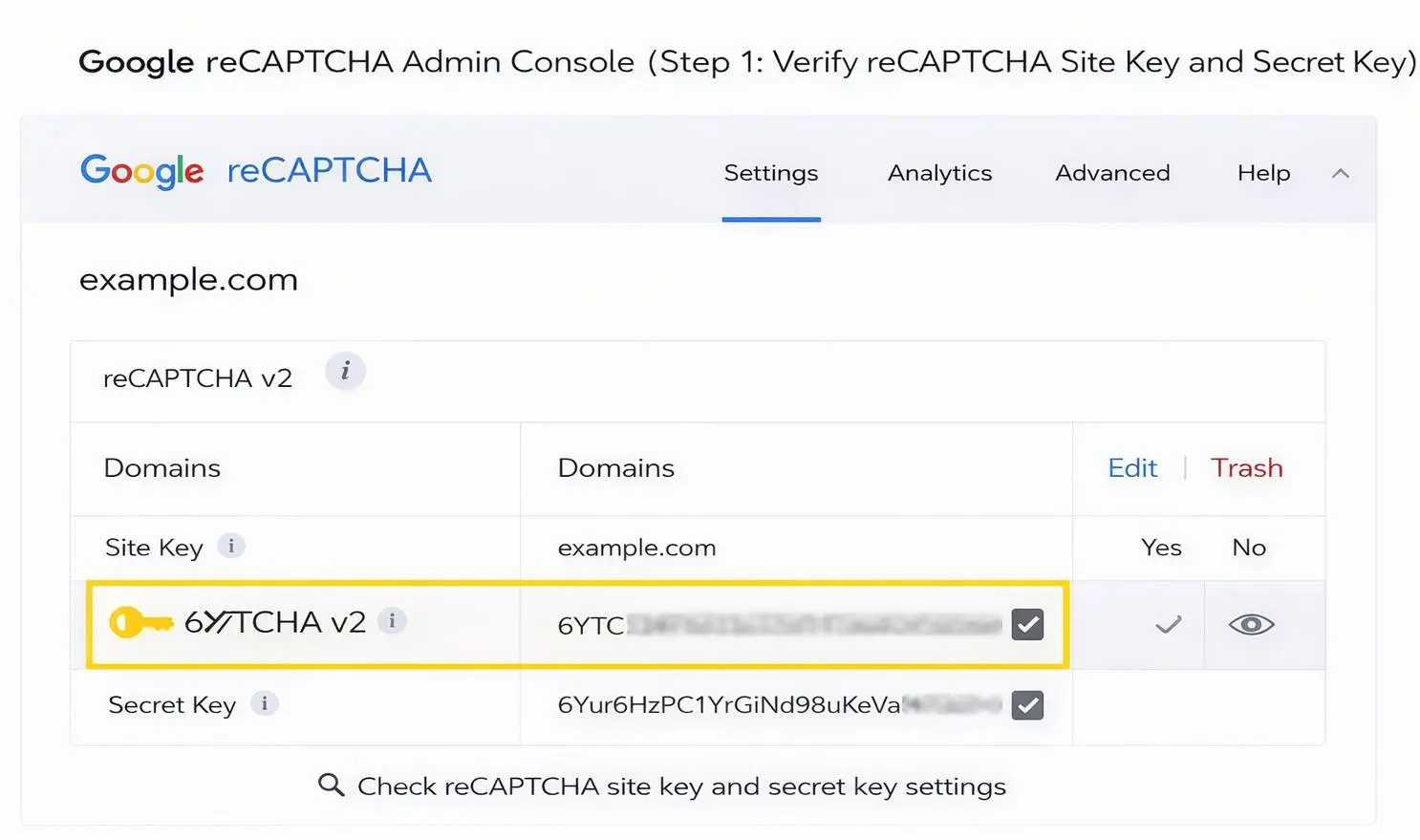
- Open the Google reCAPTCHA Admin Console
- Select your registered website
- Copy the Site Key and Secret Key
- Paste them again in your WordPress plugin settings
Important tips:
- Make sure the keys belong to the same domain
- Do not mix reCAPTCHA v2 keys with v3 plugins
Step 2: Confirm the reCAPTCHA Version (v2 or v3)
Using the wrong reCAPTCHA version is a very common mistake.
| Version | Description |
|---|---|
| reCAPTCHA v2 | Checkbox “I’m not a robot” |
| reCAPTCHA v3 | Runs invisibly in the background |
Fix:
- If your form plugin uses v2, your Google reCAPTCHA must be set to v2
- If your plugin supports v3, use only v3 keys
Step 3: Check Domain Settings in Google reCAPTCHA
If your domain is not added correctly, reCAPTCHA will fail silently.
Fix:
In Google reCAPTCHA settings, add:
example.com
www.example.com
If you use:
- Staging domain
- Subdomain
- HTTP → HTTPS
Add those versions as well.
Step 4: Check Plugin Conflicts
Security, cache, and optimization plugins often interfere with reCAPTCHA scripts.
How to test:
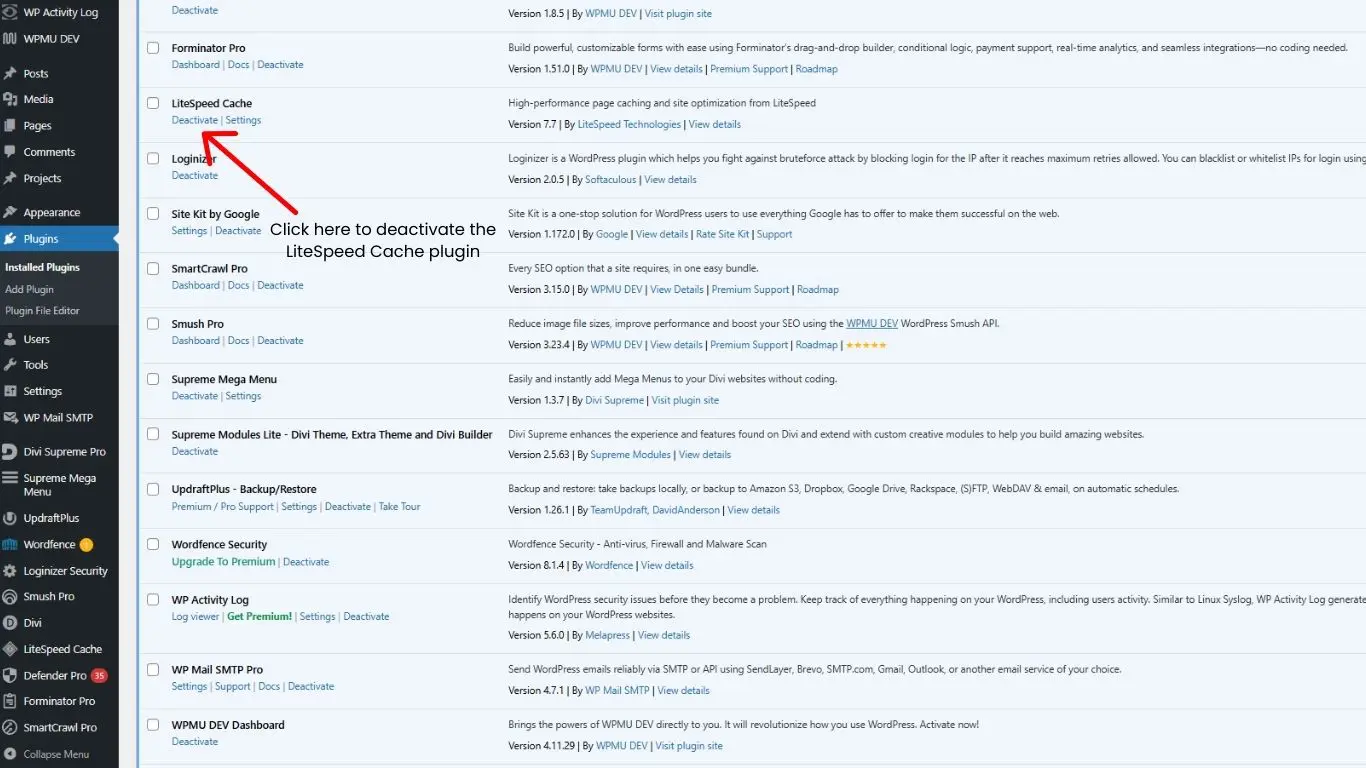
- Deactivate all plugins
- Activate only the plugin handling reCAPTCHA
- Test the form
- Reactivate plugins one by one to find the conflict
Common conflict plugins include:
- Caching plugins
- Security plugins
- JavaScript optimization plugins
Step 5: Clear Cache and Disable JavaScript Optimization
reCAPTCHA relies heavily on JavaScript. If scripts are delayed or combined incorrectly, it won’t work.
What to do:
- Clear WordPress cache
- Clear server cache
- Clear CDN cache (if used)
- Temporarily disable:
- JS minification
- JS delay
- JS combination
After testing, re-enable settings carefully.
Step 6: Check Theme or Custom Code Issues
Some themes block or defer essential scripts.
Fix:
- Temporarily switch to a default theme
- Remove custom JavaScript related to forms
- Confirm this script loads properly:
https://www.google.com/recaptcha/api.js
Step 7: Fix reCAPTCHA in Popular Form Plugins
Contact Form Plugins
- Contact Form 7
Enable reCAPTCHA integration and remove old API settings. - Elementor Forms
Enable reCAPTCHA inside the Form widget and match the correct version. - WPForms / Fluent Forms
Reconnect Google reCAPTCHA from plugin settings.
Make sure only one plugin handles reCAPTCHA to avoid conflicts.
Step 8: Check Hosting Firewall or Security Rules
Some hosting providers block Google services by default.
Fix:
Ask your hosting provider to whitelist:
gstatic.com
Step 9: Test in Incognito and Other Browsers
Browser extensions can block reCAPTCHA.
Test using:
- Incognito mode
- A different browser
- A mobile device
If it works there, the issue is likely browser-related.
Conclusion
Fixing reCAPTCHA issues in WordPress is usually straightforward once you identify the root cause. By checking your API keys, plugin settings, conflicts, and JavaScript errors, you can restore reCAPTCHA functionality quickly. Keeping your WordPress site and plugins updated ensures better security, smoother form submissions, and a reliable user experience.
Search blogs
Other Blogs

Elementor Not Saving Changes? Step-by-Step Solution
When you are building a page in Elementor and suddenly your changes refuse to save, it can feel extremely frustrating. You click the Update button, the loader spins, and then either nothing happens or an error message appears. Sometimes it even looks like the page...
How to Fix “There Has Been a Critical Error on This Website” in WordPress
If you are running a WordPress website and suddenly see the message “There has been a critical error on this website”, don’t panic. This error looks serious, but in most cases, it can be fixed easily. This message appears when something on your website stops working...
Divi 5 Is Finally Here — A Deep Dive Into the New Interface, Speed, Features & What’s Changed
After years of development and community feedback, Divi 5 has officially launched. But this isn’t just another update to the popular Divi by Elegant Themes — it is a complete architectural transformation. If you’ve explored a Divi 5 demo, you’ll immediately notice how...

Divi Mobile Menu Showing Extra Characters or Symbols (Like Random “L”) – Fix Guide
If you are using the Divi theme on your WordPress website and notice extra characters or strange symbols (such as a random “L”, square boxes, or broken icons) appearing in the mobile menu, you are not alone. This is a common issue faced by many Divi users, especially...
Common SEO Mistakes That Hurt Your Website Rankings
You’ve published great content, optimized your website, and waited for the rankings to roll in — but your traffic still isn’t growing. Sound familiar? The truth is, many websites unknowingly make SEO mistakes that silently kill their visibility in Google search...