
Why Alt Text Matters: Boost Accessibility and SEO with Every Image
Category: SEO
What Is Alt Text?
Alt text, short for “alternative text,” is a written description of an image included in the HTML of a webpage. It serves two primary purposes:
- Accessibility: Alt text helps screen readers convey the content of an image to visually impaired users.
- SEO: Search engines use alt text to understand the context of images, which can enhance your site’s ranking.
The Accessibility Advantage
Inclusive web design is essential, and alt text is a cornerstone of accessibility. Here’s why:
- Screen Readers: Assistive technologies rely on alt text to describe images to users who can’t see them.
- ADA Compliance: Adding alt text to images ensures your site adheres to accessibility guidelines like WCAG (Web Content Accessibility Guidelines) and ADA (Americans with Disabilities Act).
- Enhanced User Experience: Thoughtful alt text creates a better experience for all users, fostering trust and inclusivity.
The SEO Boost
Search engines can’t “see” images, but they can read alt text. Properly written alt text improves your SEO in several ways:
- Improved Rankings: Alt text provides context for search engine crawlers, making your content more discoverable.
- Image Search Optimization: Well-optimized alt text helps your images appear in search results, driving additional traffic.
- Keyword Inclusion: Incorporating keywords naturally in alt text enhances your SEO strategy without overloading your content.
Best Practices for Writing Alt Text
To maximize the benefits of alt text, follow these best practices:
- Be Descriptive but Concise: Provide a clear description of the image without unnecessary details. For example, “Golden retriever playing in a park” is better than “Dog.”
- Avoid “Image of” or “Picture of”: Screen readers already identify images, so skip redundant phrases.
- Include Relevant Keywords: If appropriate, integrate keywords naturally to support your SEO strategy.
- Skip Decorative Images: For purely decorative images, use an empty alt attribute (alt=””), allowing screen readers to skip them.
- Tailor for Context: Match the alt text to the surrounding content for seamless integration.
Common Mistakes to Avoid
- Keyword Stuffing: Overloading alt text with keywords can harm your SEO rather than help it.
- Generic Descriptions: Avoid vague terms like “image1.jpg” or “nice photo.” Specificity is key.
- Ignoring Alt Text Completely: Leaving alt text blank means missing out on both accessibility and SEO benefits.
Tools to Enhance Alt Text Implementation
- WordPress Plugins: Tools like Yoast SEO or All in One SEO can guide you in optimizing alt text.
- Accessibility Checkers: Services like WAVE or Axe can identify missing or poorly written alt text.
- Image Optimization Tools: Plugins like Smush ensure images are optimized without losing alt text data.
The Bigger Picture
Adding alt text to images is more than a technical task; it’s a commitment to inclusivity and visibility. It ensures your content is accessible to everyone while signaling to search engines that your site is valuable and user-friendly. By making alt text a routine part of your content strategy, you’re not just enhancing your website—you’re contributing to a more inclusive web.
Conclusion:
Alt text is a small detail with a big impact. It bridges gaps for users with disabilities and amplifies your content’s reach through improved SEO. By following best practices and avoiding common pitfalls, you can make your website a shining example of accessibility and optimization. Start today—because every image deserves a voice.
Contact us to get more information about it.
Search blogs
Other Blogs

Elementor Not Saving Changes? Step-by-Step Solution
When you are building a page in Elementor and suddenly your changes refuse to save, it can feel extremely frustrating. You click the Update button, the loader spins, and then either nothing happens or an error message appears. Sometimes it even looks like the page...
How to Fix “There Has Been a Critical Error on This Website” in WordPress
If you are running a WordPress website and suddenly see the message “There has been a critical error on this website”, don’t panic. This error looks serious, but in most cases, it can be fixed easily. This message appears when something on your website stops working...
Divi 5 Is Finally Here — A Deep Dive Into the New Interface, Speed, Features & What’s Changed
After years of development and community feedback, Divi 5 has officially launched. But this isn’t just another update to the popular Divi by Elegant Themes — it is a complete architectural transformation. If you’ve explored a Divi 5 demo, you’ll immediately notice how...

How to Fix reCAPTCHA Not Working in WordPress
reCAPTCHA is an essential security feature that protects WordPress websites from spam, bots, and fake form submissions. However, many site owners face issues where reCAPTCHA does not display, fails validation, or blocks legitimate users from submitting forms. If...
Divi Mobile Menu Showing Extra Characters or Symbols (Like Random “L”) – Fix Guide
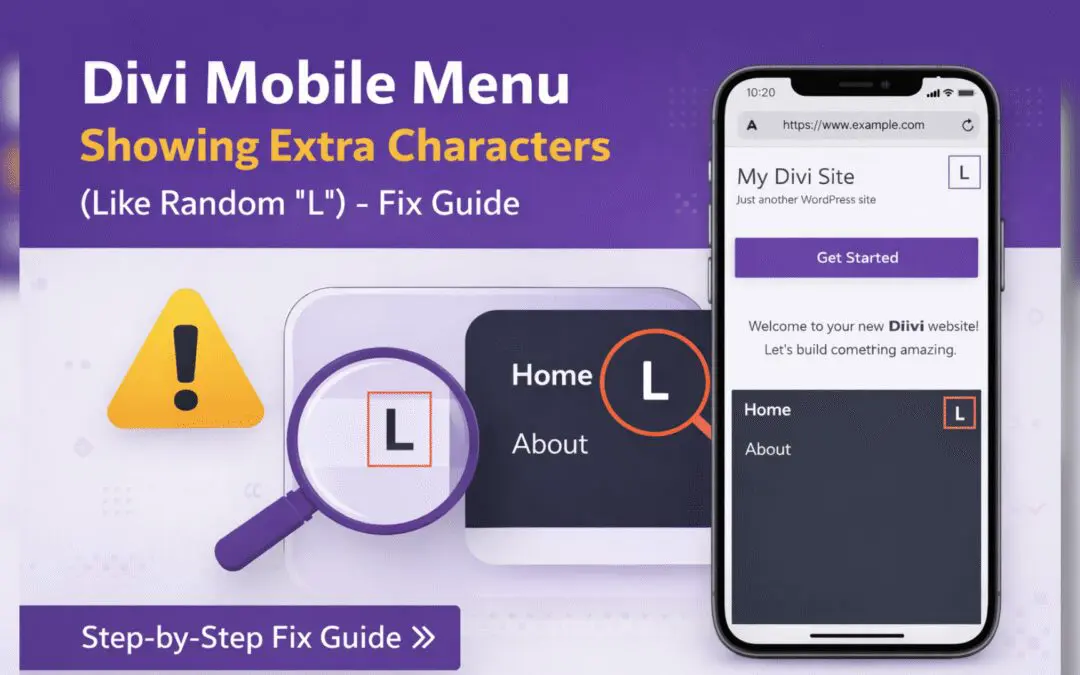
If you are using the Divi theme on your WordPress website and notice extra characters or strange symbols (such as a random “L”, square boxes, or broken icons) appearing in the mobile menu, you are not alone. This is a common issue faced by many Divi users, especially...