
How to Choose the Right WordPress Hosting Plan
Category: Wordpress

1. Understand Your Website’s Needs
Start by evaluating your website’s purpose, size, and traffic expectations.
- Small Websites or Blogs: If you’re just starting, shared hosting is a budget-friendly choice.
- Growing Websites: For moderate traffic, consider VPS hosting for better performance.
- High-Traffic Websites: Opt for dedicated or managed WordPress hosting to handle larger audiences.
2. Types of WordPress Hosting
Here are the main hosting types to choose from:
- Shared Hosting: Affordable but shares resources with other websites, which can affect speed.
- VPS Hosting: Offers dedicated resources on a virtual server, providing better performance.
- Managed Hosting: Specialized for WordPress with updates, backups, and security handled for you.
- Dedicated Hosting: A physical server solely for your site, perfect for large-scale projects.
- Cloud Hosting: Flexible and scalable, ideal for fluctuating traffic.
3. Prioritize Performance and Speed
A fast-loading website is essential for user experience and SEO. Look for hosting providers with:
- Solid-state drives (SSD) for faster data access.
- Built-in caching to reduce server load.
- Content Delivery Network (CDN) support to deliver content quickly worldwide.
4. Security Features Matter
Your hosting plan should include strong security measures to protect your site from threats. Key features to look for include:
- Free SSL certificates.
- Malware scanning and removal.
- DDoS protection and firewalls.
- Regular backups for data recovery.
5. Consider Scalability
Your hosting plan should grow with your website. Look for providers that allow easy upgrades to higher plans as your traffic increases. Get your own Web Hosting.
6. Evaluate Support Options
Reliable customer support can save you time and stress. Ensure your hosting provider offers:
- 24/7 customer support via chat, email, or phone.
- A knowledge base or tutorials for self-help.
7. Check for WordPress-Specific Features
Some hosting plans are tailored for WordPress. Features to look for include:
- One-click WordPress installation.
- Automatic updates for WordPress core, themes, and plugins.
- Pre-installed plugins or optimization tools.
8. Compare Pricing and Value
While cost is a factor, don’t compromise on essential features for a cheaper price. Look for plans that balance affordability with performance, security, and support.
9. Research Hosting Providers
Read reviews and testimonials to learn about the hosting provider’s reliability. A trusted provider will have a good track record of uptime, speed, and customer satisfaction.
Conclusion:
Choosing the right WordPress hosting plan is about balancing your website’s needs with your budget. By considering factors like performance, security, scalability, and support, you can find a plan that sets your website up for success.
Contact us to get more information about it.
Search blogs
Other Blogs
Elementor Not Saving Changes? Step-by-Step Solution
When you are building a page in Elementor and suddenly your changes refuse to save, it can feel extremely frustrating. You click the Update button, the loader spins, and then either nothing happens or an error message appears. Sometimes it even looks like the page...
How to Fix “There Has Been a Critical Error on This Website” in WordPress
If you are running a WordPress website and suddenly see the message “There has been a critical error on this website”, don’t panic. This error looks serious, but in most cases, it can be fixed easily. This message appears when something on your website stops working...
Divi 5 Is Finally Here — A Deep Dive Into the New Interface, Speed, Features & What’s Changed
After years of development and community feedback, Divi 5 has officially launched. But this isn’t just another update to the popular Divi by Elegant Themes — it is a complete architectural transformation. If you’ve explored a Divi 5 demo, you’ll immediately notice how...
How to Fix reCAPTCHA Not Working in WordPress
reCAPTCHA is an essential security feature that protects WordPress websites from spam, bots, and fake form submissions. However, many site owners face issues where reCAPTCHA does not display, fails validation, or blocks legitimate users from submitting forms. If...
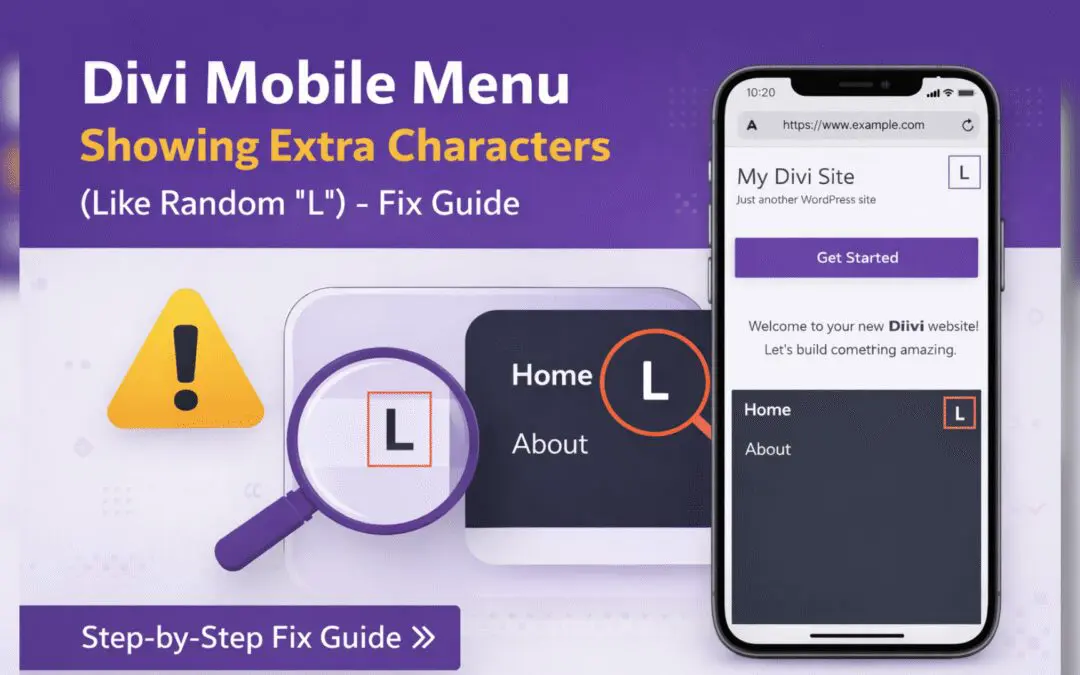
Divi Mobile Menu Showing Extra Characters or Symbols (Like Random “L”) – Fix Guide
If you are using the Divi theme on your WordPress website and notice extra characters or strange symbols (such as a random “L”, square boxes, or broken icons) appearing in the mobile menu, you are not alone. This is a common issue faced by many Divi users, especially...