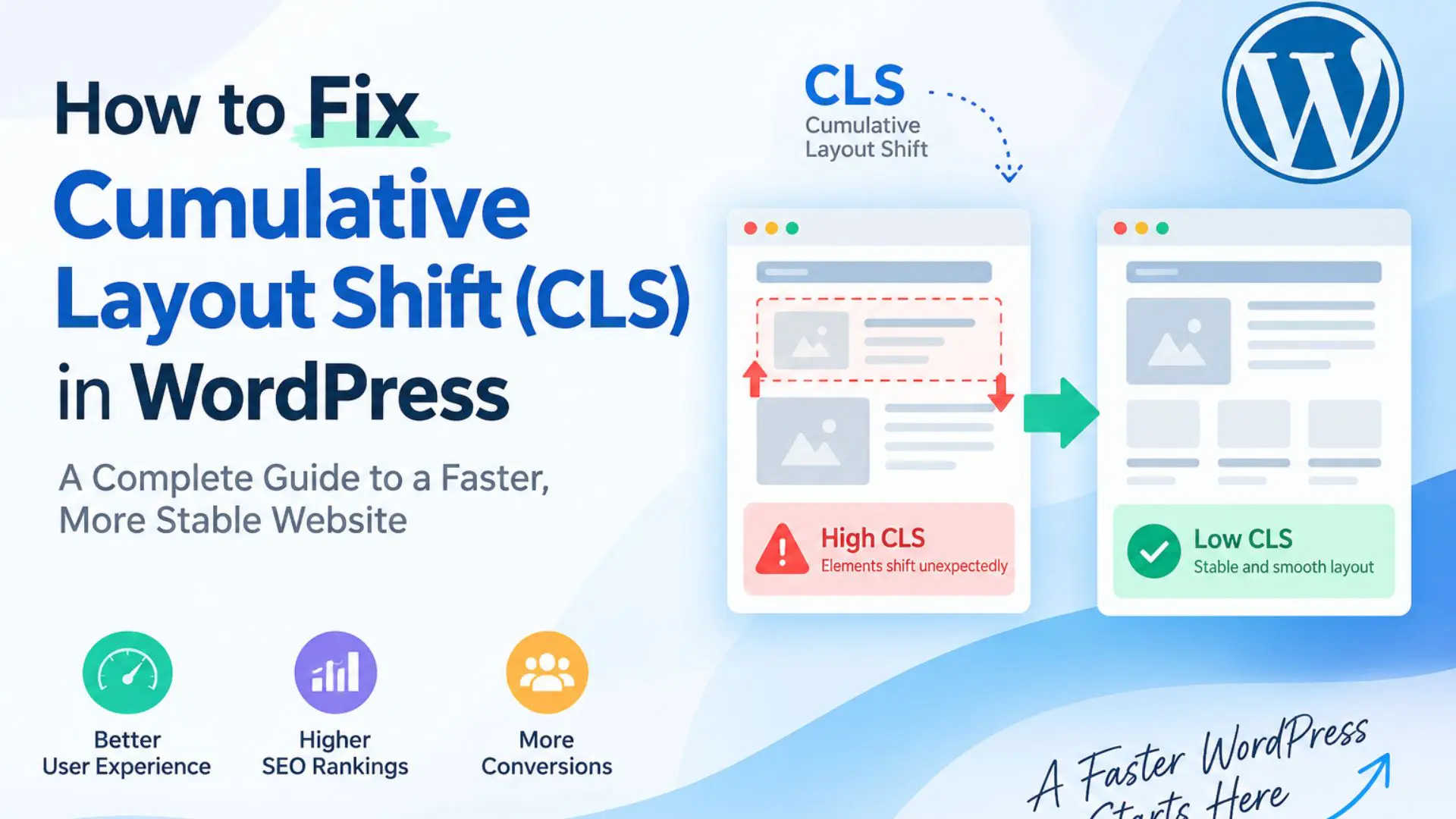
Optimizing Your Divi Website for Speed and Performance
Category: Optimization | Web Development

Optimizing the speed and performance of a Divi website is crucial for providing a great user experience and improving search engine rankings. Here's a detailed guide on how to optimize your Divi website for speed and performance:
1. Choose a Quality Web Hosting Provider:
Selecting a reliable and fast web hosting provider is the first step in optimizing your website's speed. Look for hosting providers that offer SSD storage, optimized server configurations, and good uptime guarantees.
Here is the list of best hosting providers:
2. Utilize Divi's Built-in Performance Features:
Divi comes with several built-in performance features that can help optimize your website. Make sure to enable features like static CSS file generation, minification, and browser caching in the Divi settings.
3. Optimize Images:
Large images can significantly slow down your website. Use image optimization techniques such as compressing images without compromising quality, resizing images to appropriate dimensions, and lazy loading images to ensure they load only when needed.
4. Minify CSS and JavaScript:
Minifying CSS and JavaScript files reduces their file size by removing unnecessary whitespace and comments. You can use plugins like Autoptimize or WP Rocket to easily minify and combine CSS and JavaScript files.
5. Enable Gzip Compression:
Gzip compression reduces the size of your website's files, allowing them to be transmitted faster. Most web hosting providers offer Gzip compression as a server-level feature, but you can also enable it through plugins like WP Rocket or W3 Total Cache.
6. Optimize Divi Layouts:
Divi's drag-and-drop builder makes it easy to create complex layouts, but using too many elements or modules can slow down your website. Optimize your Divi layouts by removing unnecessary elements, optimizing column and row structures, and minimizing the use of animations and effects.
7. Implement Content Delivery Network (CDN):
A CDN delivers your website's static assets (such as images, CSS, and JavaScript files) from servers located closer to your website visitors, reducing latency and improving load times. Popular CDN services include Cloudflare, StackPath, and KeyCDN.
8. Reduce HTTP Requests:
Minimize the number of HTTP requests your website makes by combining CSS and JavaScript files, using CSS sprites for images, and removing unnecessary scripts and stylesheets.
9. Optimize Database:
Regularly clean up and optimize your WordPress database to remove unnecessary data and improve website performance. You can use plugins like WP-Optimize or WP Rocket to automate this process.
10. Monitor Performance:
Use tools like Google PageSpeed Insights, GTmetrix, or Pingdom to regularly monitor your website's performance and identify areas for improvement. Pay attention to metrics such as page load time, time to first byte (TTFB), and overall page size.
Conclusion:
By following these optimization techniques, you can significantly improve the speed and performance of your Divi website, resulting in a better user experience and higher search engine rankings.
Still not sure about the Optimizing Your Divi Website for Speed and Performance? Contact us to get more information about it.